-
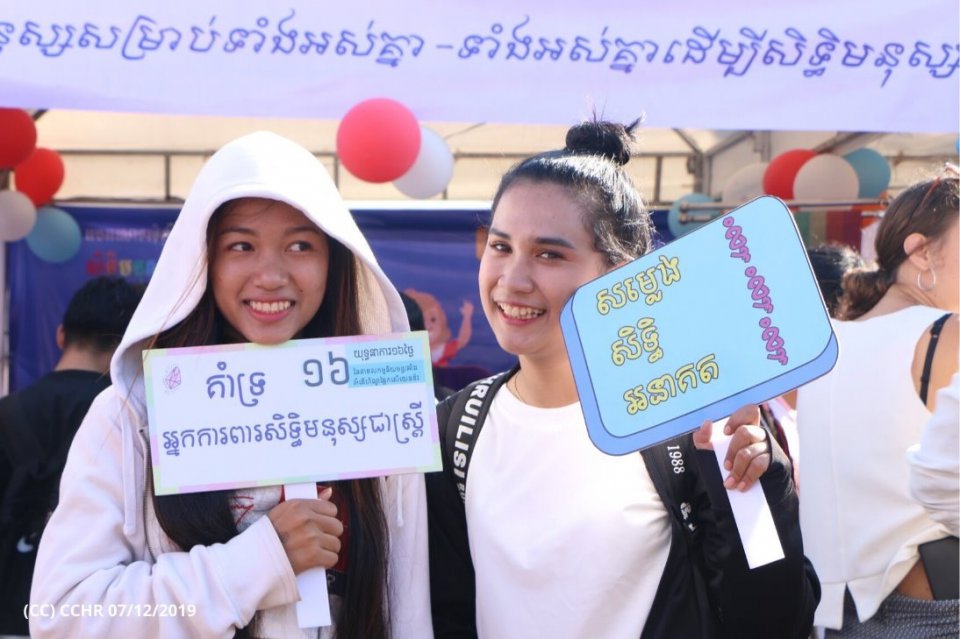
On the final day of activism of the 16 Days of Activism against Gender-Based Violence (“GBV”), we call for an end to GBV in Cambodia and for an end to GBV against women human right defenders (“WHRDs”). Despite significant efforts by the Royal Government of Cambodia (“RGC”), GBV against women remains an issue of serious concern, particularly the high prevalence of domestic violence and sexual assault. According to a 2015 research report by the World Health Organization, 21% of female respondents had experienced sexual or physical assault at the hands of their partner.
Read More -
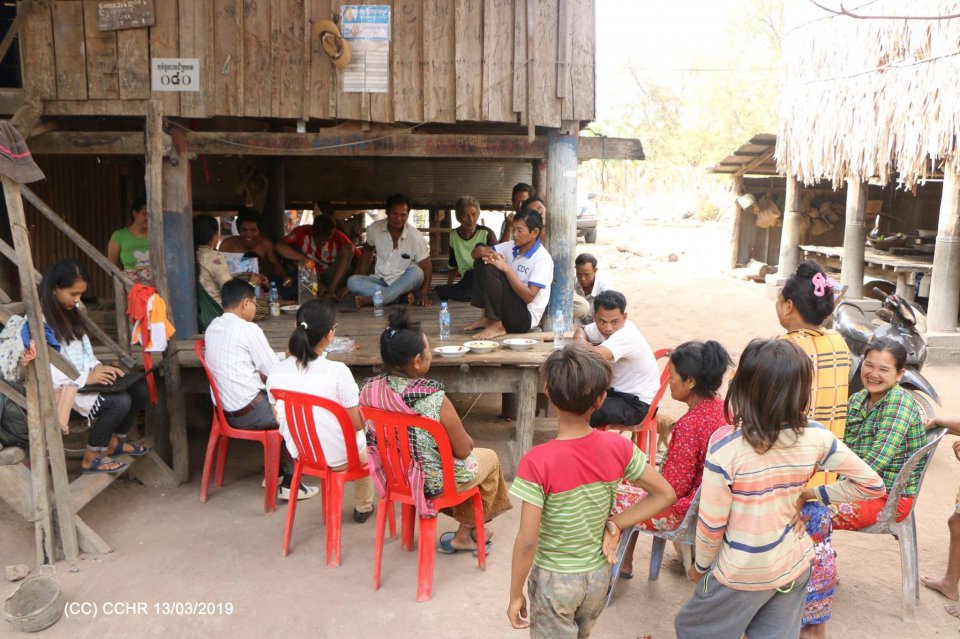
On the occasion of the International Day of the World’s Indigenous Peoples, we wish to jointly celebrate Cambodia’s indigenous communities’ rights.
Read More -
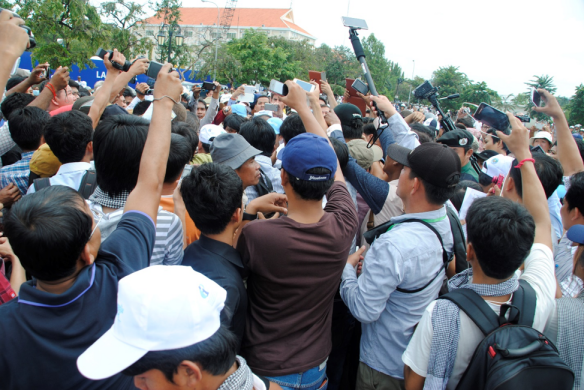
Throughout Southeast Asia, too many journalists face risks as a result of their profession, including violence, harassment, and criminal charges. This is despite the fact that states are obligated to prevent, protect against, and prosecute attacks against journalists and human rights defenders, and uphold freedom of expression. Freedom of expression is a fundamental human right which includes the right to seek, receive, and impart information and ideas of all kinds, in diverse forms. Its value is particularly high in the context of political discourse.
Read More -
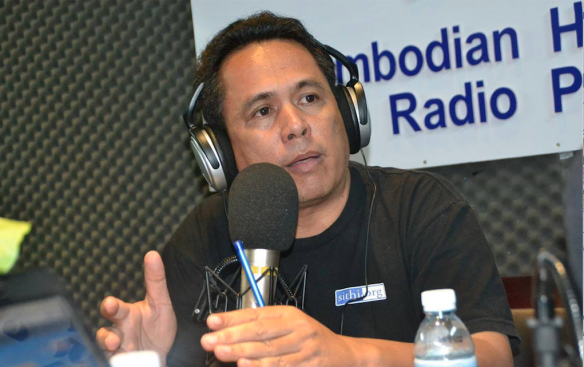
It was a very relaxing and fresh morning in Sihanoukville. I was driving down a road that ran alongside a peaceful beach with my husband. Suddenly, the phone rang, and I picked it up. It was my colleague, which worried me because I knew she would never call me on a Sunday, especially knowing I was on leave for my 5-year wedding anniversary. Her voice was terrified as she quickly said: Mr. Kem Ley was killed. She continued that he was killed at Starmart, near our office. I was not sure how to respond; I asked her if she was sure, holding on to the possibility that she could be wrong and the information she had was fake. I asked her to have our colleagues check the facts immediately.
Read More -
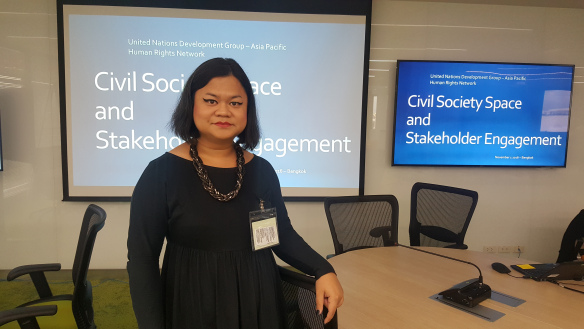
BANGKOK – Wearing a navy and white dress and with a serene smile on her face, Kath Khangpiboon looks like she is about to go out on a meandering Sunday stroll. But she is someone with a mission and she is determined to carry it out. A co-founder of the Thai Transgender Alliance, Kath says that nearly three years after a landmark law on gender equality was passed in this country, members of the local LGBT community still face “a lot of discrimination”, keeping advocates like her as busy as ever.
Read More -
Civil society’s ability to act rests on the realization of three fundamental rights: the right to freedom of association, the right to peaceful assembly and the right to freedom of expression. A recent report from CIVICUS found that roughly 85% of the world’s population lives in countries where those rights faced serious challenges in the year 2016.[1] The types of restriction on these fundamental rights vary greatly.
Read More -
This is the first in a series of blog posts on the theme of “Shrinking Civic Space in Cambodia.” The series will provide analysis and background information about how and why civil society space is being restricted all over the world, including in Cambodia. “Shrinking Civic Space in Cambodia – local manifestations of the global crackdown on civil society” is the introductory article to the blog series. Part One of the article gives an overview of the global phenomenon of shrinking civic spaces and international civil society, while Part Two offers an assessment of the legal environment and the national context of shrinking spaces for civil society in the Kingdom of Cambodia.
Read More -
In the run-up to the 2017-8 elections, the Royal Government of Cambodia (“RGC”) is narrowing the space for political dissent and suppressing the right to freedom of assembly. Amid the crackdown on fundamental freedoms, CCHR pays a visit to rights advocates who are being held in pre-trial detention on charges widely believed to be politically motivated. How did they get there, and what does it feel like to be held behind bars?
Read More -
In August 2015, minutes before sitting down to take an exam at Phnom Penh’s Khemarak University, 25-year old student, Kong Raya, was arrested and subsequently detained at Prey Sar prison. Two weeks earlier, he had asked on his Facebook page whether anyone would “dare to make a color revolution” with him. Despite claiming the post was intended more as “entertainment” and less as a veritable call to arms, the authorities, in a clear violation of freedom of expression, deemed him guilty of “incitement to commit a felony”. He was subsequently handed an 18-month prison sentence in March this year in the face of widespread indignation across civil society.
Read More -
Although recent domestic focus has been on Kem Ley’s death and funeral, second-order effects of the 15 July coup d’etat attempt in Turkey are being felt in Cambodia, as well.
Read More -
“…In a true democratic society access to information is essential. Access to information is the foundation for people to be able to make the right decisions and to know the truth of the situation of their country.”
Read More